
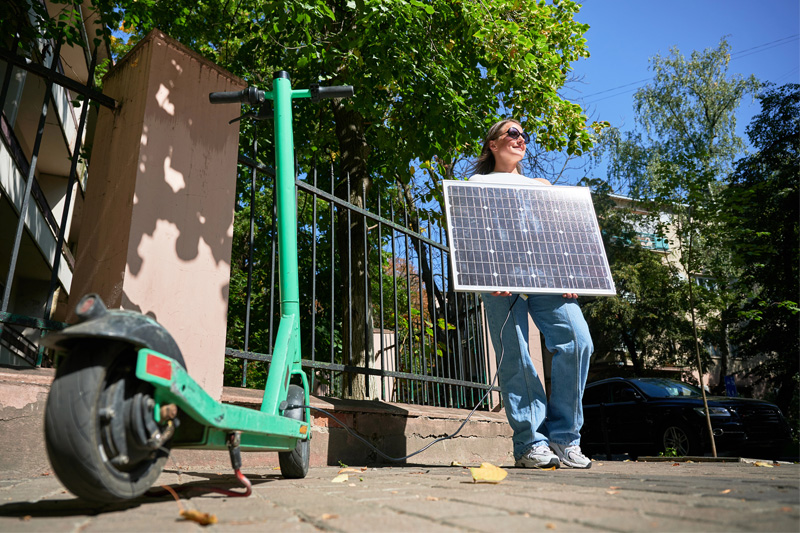
When your electric scooter battery is not charging, it can be frustrating. Understanding the basics of your scooter’s charging system is key to identifying the problem. We will walk you through common issues and provide practical fixes to get you back on the road.
Many electric scooter owners face battery charging problems, but most can be resolved without expensive repairs. By checking your power outlet, inspecting your charger, and understanding your scooter’s Battery Management System, you can troubleshoot the issue effectively.
Key Takeaways
- Identify common reasons why your electric scooter battery won’t charge.
- Learn simple fixes to resolve battery charging issues.
- Understand when to seek professional help for complex problems.
- Discover how to troubleshoot your scooter’s charging system.
- Follow proven steps to get your electric scooter back on the road.
Understanding Electric Scooter Battery Charging Issues
Dealing with an electric scooter battery that won’t charge can be challenging, but proper diagnosis is the first step to fixing it. We often see electric scooter owners panic when their battery won’t charge, but understanding the symptoms helps narrow down the cause.
Common Symptoms of Charging Problems
The most common signs of charging problems include the charger light not changing from green to red, the battery percentage not increasing, or the scooter not turning on at all. Each symptom points to different potential causes – for example, a charger that shows no lights might indicate a power supply issue, while a charger that stays green might suggest a connection problem.
Why Proper Diagnosis Matters
Proper diagnosis saves you money by preventing unnecessary part replacements when the issue might be simple. Many electric scooter batteries have built-in protection systems that can sometimes cause charging issues when they’re actually protecting your battery. Taking a systematic approach to troubleshooting helps you solve the problem faster than random guessing.
Check Your Power Source and Outlet
When your electric scooter battery isn’t charging, the first thing to check is your power source. We often overlook the simplest solutions, but verifying that your charger is properly plugged into a functioning outlet can resolve the issue.
Testing Different Wall Outlets
To test if your outlet is working, try plugging your scooter charger into different outlets around your home. If you’re using an extension cord, bypass it and plug the charger directly into the wall outlet. You can also check if other devices, like a lamp, work when plugged into the same outlet. This simple test can help identify if the issue lies with your power supply.
Identifying Power Supply Issues
Power supply issues can be subtle. Check if your charger’s indicator lights turn on when plugged in. Some buildings have outlets controlled by switches, so ensure any nearby switches are turned on. If you live in an area with frequent power fluctuations, consider using a surge protector to safeguard your charger and scooter battery.
- Verify that the outlet is working by testing it with another device.
- Check for any circuit breakers that may have tripped.
- Be aware of power surges that could damage your charger or scooter.
By following these steps, you can determine if your power source is the cause of the charging issue, helping you to troubleshoot the problem more effectively.
Inspect the Charger for Damage
Inspecting the charger is a crucial step in diagnosing why your electric scooter battery is not charging. Chargers are often the first point of failure in the charging system, so a thorough inspection is essential.
Visual Inspection of Charger Components
We suggest checking the entire length of the charger cable for cuts, frays, or pinch points that might interrupt power flow. Look closely at both ends of the charger – the wall plug and the connector that goes into your scooter – for bent pins or corrosion.
Testing Charger Output Voltage
If you have access to a multimeter, you can test the output voltage of your charger to ensure it matches the specifications on its label. If the voltage is correct, the issue might lie with the connector on the battery or scooter, or the battery itself.
Common Charger Failure Points
Charger bricks can overheat, damaging internal components. The connection points where cables enter the charger brick are common failure points due to repeated bending and stress. Some chargers have cooling fans; if you don’t hear the fan running when plugged in, this could indicate an internal failure.
Examine the Charging Port and Connections

To troubleshoot charging issues with your electric scooter, examining the charging port and connections is essential. The charging port is a critical component that can accumulate dust and debris over time, hindering proper electrical contact.
Cleaning Charging Ports Safely
We recommend using compressed air to gently blow out any visible dirt from the charging port before attempting more invasive cleaning methods. For more thorough cleaning, a small amount of isopropyl alcohol on a cotton swab can safely remove corrosion from the charging port contacts. Never insert metal objects into the charging port as this can cause shorts or further damage to the pins.
Fixing Loose Connections
Check for any looseness in the charging port – if it moves or wiggles when you insert the charger, internal connections may be broken. The connection between the charging port and the battery inside your scooter can also come loose from vibration during rides. Ensuring these connections are secure is vital for proper charging.
Addressing Bent or Damaged Pins
Bent pins in the charging port can sometimes be carefully straightened using non-metal tools like a plastic toothpick. If your scooter has multiple charging ports, try each one, as sometimes only one port fails while others remain functional.
- Regularly cleaning the charging port can prevent many charging issues.
- Some scooters have charging ports that can be opened and repaired if you have basic soldering skills.
Electric Scooter Battery Not Charging Due to BMS Issues
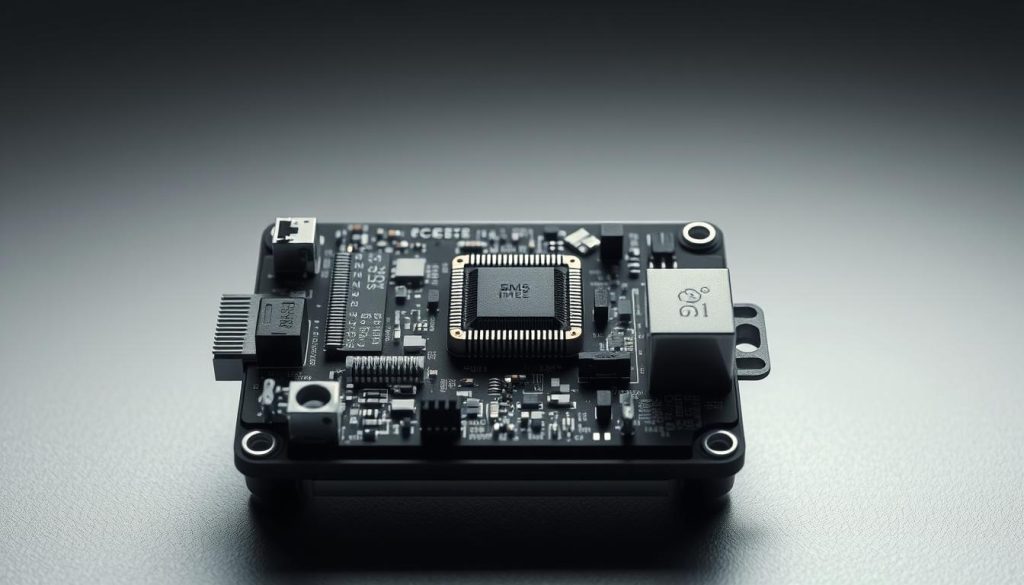
When your electric scooter battery won’t charge, the culprit might be the Battery Management System (BMS). The BMS is crucial for managing the battery’s charging and discharging processes. Issues with the BMS can lead to charging problems, even when other components are functioning correctly.
Understanding the Battery Management System
The Battery Management System (BMS) is the brain of your electric scooter’s power system. It controls charging and discharging, ensuring the battery operates safely and efficiently. The BMS has built-in protection features that can temporarily disable charging if it detects potential battery damage.
Resetting the BMS
Resetting the BMS can often resolve charging issues. This can typically be done by disconnecting the battery for a period. Some scooter models have specific reset procedures detailed in their user manuals or available from manufacturers. We recommend checking your scooter’s documentation for the correct procedure.
Signs of BMS Failure
Signs that the BMS is failing include inconsistent battery readings, the battery draining but not accepting a charge, or the scooter shutting down unexpectedly. The BMS balances individual cells within the battery pack, so uneven cell voltages can trigger protective shutdowns. Recognizing these signs early can help prevent further damage.
Battery Temperature Considerations
Electric scooter batteries are sensitive to temperature extremes, affecting their charging capability. We need to understand how temperature impacts battery performance to troubleshoot charging issues effectively.
Optimal Charging Temperature Range
Most electric scooter batteries charge best between 50-85°F (10-30°C). Performance drops significantly outside this range, so it’s crucial to charge your scooter within these temperatures. If your scooter is stored in a cold garage or basement, bring it to room temperature before charging to ensure optimal performance.
- Temperature affects charging efficiency and can prevent charging if too hot or too cold.
- Some advanced scooters have temperature sensors that prevent charging outside safe ranges as a safety feature.
Dealing with Overheated Batteries
If your scooter feels unusually hot near the battery compartment, allow several hours of cooling before attempting to charge. Charging immediately after riding can trigger temperature protection systems in the BMS. Never attempt to artificially heat or cool a battery to speed up charging, as this can create dangerous conditions.
- If you’ve been riding hard or charging repeatedly, your battery may need cooling time before it will accept a charge again.
- Seasonal temperature changes may require adjusting your charging habits to maintain safety and performance.
Battery Age and Replacement Needs
Understanding when to replace your electric scooter’s battery is crucial for maintaining its performance. We need to consider several factors, including the battery’s age, its charging capacity, and overall health.
Typical Lithium-Ion Battery Lifespan
All electric scooter batteries have a limited lifespan, typically measured in charge cycles rather than years. We typically see lithium-ion batteries in electric scooters lasting between 300-500 full charge cycles before significant capacity loss occurs.
Signs Your Battery Needs Replacement
Signs that your battery may need replacement include drastically reduced range, inability to hold a charge, swelling or deformation, and excessive heat during charging. A battery that once took 4-5 hours to charge but now fully charges in 1-2 hours is likely not reaching full capacity anymore.
Proper Battery Disposal
Proper disposal of old lithium-ion batteries is essential for environmental safety. Many electronics stores and recycling centers accept them. Some manufacturers offer battery recycling programs or trade-in discounts when purchasing replacement batteries.
Replacing your battery can often restore your scooter to like-new performance and range. When replacing a battery, always match the voltage and capacity specifications to your scooter model.
When to Seek Professional Repair Services
Knowing when to seek professional repair services for your electric scooter battery is crucial to ensuring your safety and the longevity of your vehicle. While many charging issues can be fixed at home, some problems require professional expertise to resolve safely.
Warning Signs of Serious Battery Issues
We recommend seeking professional help if you notice your battery swelling, leaking any substance, emitting unusual odors, or making popping sounds. These signs indicate potentially serious issues that require immediate attention from a qualified technician.
Finding Qualified E-Scooter Technicians
Finding a qualified technician who specializes in electric scooters ensures that repairs are done correctly the first time. Platforms like ElectricFixerr connect you with experienced mechanics who understand your specific electric scooter model.
Benefits of Professional Diagnosis
Professional diagnosis often saves money in the long run by identifying the exact issue rather than replacing parts through trial and error. Mechanics with e-mobility experience have specialized tools to test battery cells individually and identify failing components, ensuring a precise and effective repair.
Simply sign up, post your repair needs, and connect with mechanics who understand your ride’s unique requirements. Whether it’s a quick fix or a comprehensive overhaul, our platform is designed to cater to your needs. Elevate your e-mobility experience. Contact us today!
Conclusion
We’ve walked through seven effective fixes for electric scooter battery charging problems, from simple power outlet checks to complex BMS resets. By taking a systematic approach to troubleshooting, you can save time and identify the true cause of charging issues. Regular maintenance of your charging system can prevent many common problems. Most electric scooter battery charging issues can be resolved at home with basic tools and knowledge. For persistent issues, consider connecting with a qualified technician through ElectricFixerr. Proper charging habits extend battery life significantly. With the right care, your scooter can provide reliable service for years to come.
Comments